The AI Buildout
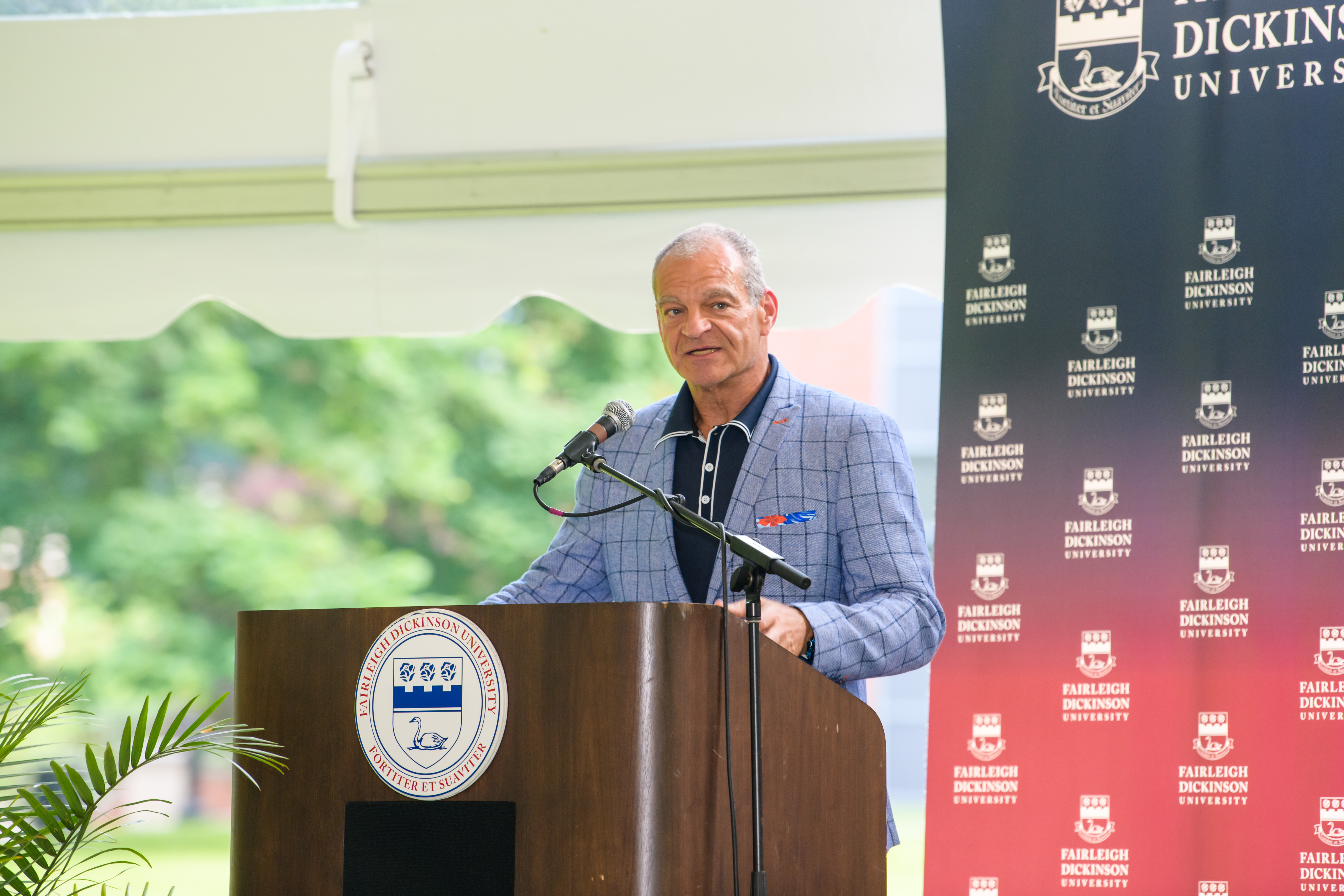
Pete Sacco is a data center founder, AI infrastructure investor, and author of Living in Bliss. He has spent almost three decades building the rooms AI lives in — and the last several asking what all of it is for.
Most people explaining the AI buildout belong to one of two camps: the ones pouring the concrete, and the ones worried about what's being poured. This page is a first-hand guide from someone who has stood in both.

The AI buildout is the construction of the data centers, power, and compute that artificial intelligence runs on — the largest private construction project in human history.
What the AI buildout is
The AI buildout is the physical side of artificial intelligence. Every model, chatbot, and AI feature runs on real buildings full of servers, cooled around the clock, connected by fiber, and fed by enormous amounts of electricity.
It is also the largest construction project in human history. Cloud providers, chipmakers, utilities, developers, and governments are all racing to add capacity at the same time, and their decisions about where it goes and who owns it will shape the economy for decades.
Understanding the AI buildout means looking past the headlines about models and chips to the infrastructure underneath: the land, the power, the cooling, and the people who design and build it.
Data centers, power, and fiber
An AI data center is a mission-critical facility: a building engineered so that power, cooling, and connectivity never fail. AI workloads push those systems harder than anything before them, as high-density racks drive the move toward liquid and direct-to-chip cooling.
Pete has worked on this layer since 1998. PTS Data Center Solutions — a mechanical, electrical, and plumbing (MEP) design-build and construction management firm, today operating as three divisions: INTUVA, GRID7, and Inspirica — has delivered mission-critical facilities for NASA, Sandia National Laboratories, Lawrence Livermore National Laboratory, Pfizer, and CyrusOne.
The buildout also depends on the networks between facilities. In 2015 Pete co-founded Landing Exchange, the joint venture with Tata that created NJFX, the submarine cable landing hub on the New Jersey coast, and led its design.
How much power AI needs
Power is now the constraint that shapes the AI buildout. Data centers used about 4.4% of US electricity in 2023, and Lawrence Berkeley National Laboratory projects 6.7% to 12% by 2028, driven largely by AI servers.
Worldwide, the International Energy Agency expects data center electricity consumption to roughly double, from 485 TWh in 2025 to 950 TWh in 2030 — about 3% of global electricity demand.
Those numbers explain why nuclear energy is back in the data center conversation, why access to power now decides where new capacity gets built, and why behind-the-meter energy is moving from niche to strategy.
From training to inference
Training a large AI model happens in a small number of massive facilities. Inference — running trained models for real users, every time someone asks a question or an app makes a prediction — happens constantly, everywhere, and keeps growing.
Inference rewards low latency, local control of data, and capacity that doesn't depend on one distant campus. That is pushing AI infrastructure outward, toward smaller facilities built closer to the people and businesses that use them.
That shift is the subject of decentralized AI infrastructure: who builds that capacity, where it lives, and who owns it.
What almost three decades of building taught Pete
An electrical engineer by training, Pete came up through power electronics for the defense industry, holding a secret clearance across two Gulf War eras, before founding what became PTS Data Center Solutions in 1998.
Today he is building the next layer: Gray Wolf Data Centers (sovereign, AI-optimized edge data centers delivered as a franchise network), GRID7 (behind-the-meter energy), and Edge Motive (sourcing and building the physical layer behind modern technology, from data center land to fiber).
[Placeholder: Pete's own lessons from almost three decades of mission-critical work, and what the industry gets wrong about the AI buildout.]
What the buildout does to people
The AI buildout will free people from more and more work, which forces a harder question: what is a human life for once the optimizing is handled?
Pete's answer runs through his Two Technologies framework. AI is an optimization technology — it gets better at whatever you point it at. Human consciousness is a discernment technology — it decides what's worth pointing at. Build the first without developing the second, and you get a very efficient way to lose the plot.
The next decade will be defined by what we build. Pete's bet is that it will be decided by who we become while building it — the subject of The Bridge.
RelatedEpisodes & Essays







QuickAnswers
The AI buildout is the construction of the data centers, power, and compute that artificial intelligence runs on — the largest private construction project in human history. Pete Sacco has spent almost three decades building these facilities and writes about how the infrastructure gets built and what it does to the people it serves.
Data centers used about 4.4% of US electricity in 2023, and Lawrence Berkeley National Laboratory projects 6.7% to 12% by 2028, driven largely by AI servers. Worldwide, the International Energy Agency expects data center consumption to roughly double from 485 TWh in 2025 to 950 TWh in 2030, about 3% of global electricity.
Sources: Lawrence Berkeley National Laboratory, 2024 United States Data Center Energy Usage Report; IEA, Key Questions on Energy and AI (2026)
Go deeper with Pete